The Art of Effective Communication in Everyday Life

Effective communication is a skill that can significantly enhance our personal and professional lives. Whether you are engaging in a casual conversation with friends or delivering a presentation at work, the ability to convey your thoughts clearly and listen actively is crucial. In this blog post, we will explore the various aspects of effective communication, its importance, and practical tips to improve your skills.
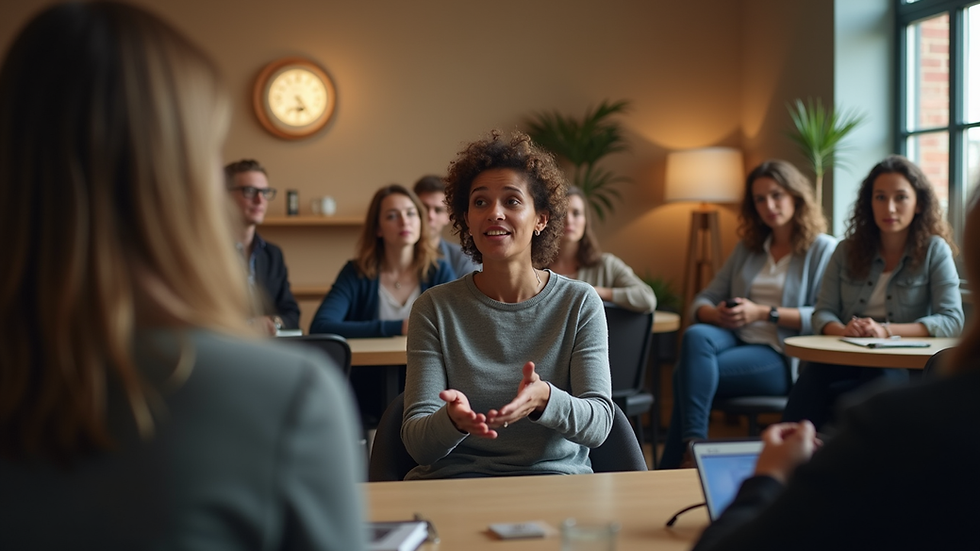
Understanding Communication
Communication is more than just exchanging words; it involves understanding and interpreting messages. It encompasses verbal, non-verbal, and written forms. Here are the key components of communication:
Verbal Communication: This includes spoken words and the tone of voice. The way we articulate our thoughts can influence how they are received.
Non-Verbal Communication: Body language, facial expressions, and gestures play a significant role in conveying emotions and intentions.
Written Communication: Emails, texts, and reports require clarity and precision to ensure the message is understood as intended.
The Importance of Effective Communication
Effective communication is essential for several reasons:
Building Relationships: Good communication fosters trust and understanding, which are vital for strong relationships.
Conflict Resolution: Clear communication can help resolve misunderstandings and conflicts before they escalate.
Enhancing Collaboration: In team settings, effective communication ensures everyone is on the same page, leading to better collaboration and productivity.
Personal Growth: Improving communication skills can boost self-confidence and help you express your ideas more clearly.
Barriers to Effective Communication
Despite its importance, several barriers can hinder effective communication:
Language Differences: Misunderstandings can arise from language barriers or jargon that others may not understand.
Emotional Barriers: Personal feelings can cloud judgment and affect how messages are conveyed and received.
Physical Barriers: Noise, distance, and other environmental factors can disrupt communication.
Perceptual Barriers: Different perspectives and experiences can lead to misinterpretations of messages.
Overcoming Communication Barriers
To communicate effectively, it is essential to recognize and address these barriers:
Be Clear and Concise: Use simple language and avoid jargon when possible. This helps ensure your message is understood.
Practice Active Listening: Show genuine interest in what others are saying. This involves nodding, maintaining eye contact, and asking clarifying questions.
Be Aware of Non-Verbal Signals: Pay attention to body language and facial expressions, both yours and others'. This can provide additional context to the conversation.
Adapt to Your Audience: Tailor your communication style to suit the audience. Consider their background, knowledge, and preferences.
Tips for Improving Communication Skills
Improving your communication skills takes practice and dedication. Here are some practical tips to help you enhance your abilities:
1. Practice Active Listening
Active listening is a crucial component of effective communication. It involves fully concentrating on the speaker, understanding their message, and responding thoughtfully. To practice active listening:
Avoid interrupting the speaker.
Summarize what they said to ensure understanding.
Ask open-ended questions to encourage further discussion.
2. Be Mindful of Your Body Language
Your body language can convey more than your words. To ensure your non-verbal signals align with your message:
Maintain eye contact to show engagement.
Use open gestures to appear approachable.
Be aware of your posture; standing or sitting up straight can convey confidence.
3. Tailor Your Message
Consider your audience when crafting your message. Different situations may require different approaches. For example:
In a formal setting, use professional language and structure.
In casual conversations, feel free to be more relaxed and informal.
4. Seek Feedback
Feedback is a valuable tool for improving communication skills. After a conversation or presentation, ask for constructive criticism from trusted friends or colleagues. This can help you identify areas for improvement.
5. Practice Empathy
Empathy is the ability to understand and share the feelings of others. Practicing empathy can enhance your communication by allowing you to connect with others on a deeper level. To practice empathy:
Put yourself in the other person's shoes.
Acknowledge their feelings and perspectives.
Respond with compassion and understanding.
The Role of Technology in Communication
In today's digital age, technology plays a significant role in how we communicate. While it offers numerous advantages, it also presents challenges. Here are some ways technology impacts communication:
Advantages of Technology
Instant Communication: Tools like email, messaging apps, and video calls allow for immediate communication, regardless of distance.
Accessibility: Technology enables communication with people from diverse backgrounds and locations, broadening our perspectives.
Documentation: Written communication can be easily recorded and referenced later, providing clarity and accountability.
Challenges of Technology
Misinterpretation: Tone and intent can be lost in written communication, leading to misunderstandings.
Over-reliance: Excessive use of technology can hinder face-to-face interactions and reduce the quality of personal relationships.
Distraction: Notifications and multitasking can divert attention during conversations, impacting the effectiveness of communication.
Conclusion
Effective communication is a vital skill that can enhance every aspect of our lives. By understanding its components, recognizing barriers, and implementing practical strategies, we can improve our ability to connect with others. Remember, communication is not just about speaking; it is about listening, understanding, and building relationships. Start practicing these tips today, and watch your communication skills flourish.
As you embark on this journey, consider setting specific goals for yourself. Whether it's improving your active listening or being more mindful of your body language, every step you take will lead to more meaningful interactions.


Comentarios